7 Things You Should Not Do With A1 Garage Doors Burleigh Heads
Garage Door Repair to Prevent Breakdowns: Your Complete Guide 2026
Maintaining a reliable garage door is essential for the safety, security, and convenience of your home. In this comprehensive guide, you’ll discover expert tips and actionable advice on how to prevent garage door breakdowns through regular maintenance, timely repairs, and understanding common issues. Whether you are a homeowner, property manager, or a DIY enthusiast, this page will equip you with everything you need to keep your garage door operating smoothly for years to come.
Why Regular Garage Door Maintenance is Essential
Garage maintenance is critical to extending the lifespan of your door and preventing costly breakdowns. A proper maintenance schedule includes routine inspection services, lubrication of moving parts, weather sealing, and rust prevention measures. Ensuring that door insulation and garage security features are up to date not only protects your belongings but also improves energy efficiency and overall home safety.
Frequent maintenance helps identify worn components early, reduces noise, and avoids sudden failures of the opener motor or door springs. Neglecting these tasks can result in door misalignment and increased wear on hinges and rollers, compromising the entire system.
Common Causes of Garage Door Breakdowns
Understanding what typically causes garage door failures can help you take preventative action. Key areas to watch include:
- Door springs – torsion springs and extension springs often wear out over time and must be monitored closely.
- Opener motor issues – problems with the motor can prevent the door from opening or closing properly.
- Cable repair needs – frayed or snapped cables affect door balance and safety.
- Roller replacement – worn rollers cause noisy operation and uneven movement.
- Track alignment – misaligned tracks can jam the door, increasing the risk of damage.
- Door weight – additional weight from snow or debris can strain the system.
Identifying Worn or Damaged Parts Early
Early identification of problems such as hinge repair needs, sensor adjustment, or malfunctioning photo eyes can prevent full breakdowns. Monitoring the control board and motor gears ensures the opener controls respond correctly. Inspect door tracks and panels for dents or warping, and replace damaged panels promptly to maintain smooth operation and appearance.
Step-by-Step Guide to Preventing Garage Door Breakdowns
Follow these vital steps to keep your garage door in excellent condition:
- Lubrication: Apply silicone-based lubricant to hinges, rollers, springs, and tracks regularly to reduce friction and noise.
- Sensor Cleaning: Keep safety sensors and photo eyes clean and aligned for reliable operation.
- Spring Tension: Check torsion and extension spring tension carefully, but leave major adjustments to professionals for safety reasons.
- Wiring Inspection: Inspect wiring connections to avoid electrical faults impacting the opener and controls.
- System Reset: Perform periodic resets of your automatic opener to resolve minor glitches.
- Door Seals & Weather Stripping: Replace worn seals to improve insulation and prevent water ingress, which can cause rust.
- Emergency Release & Manual Override: Test the emergency release and manual operation to ensure functionality during power outages or emergencies.
How to Inspect and Maintain Door Springs Safely
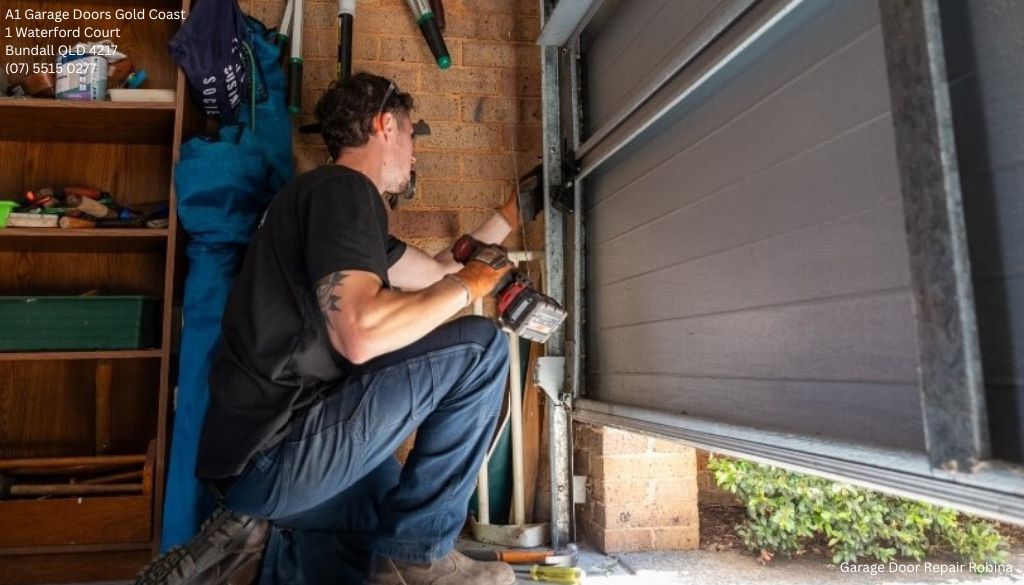
Torsion springs and extension springs bear the weight of the door and control its movement. Regularly check for signs of wear such as gaps, rust, or deformation. Due to the high tension springs carry, only attempt visual inspections and lubrication yourself; spring tension adjustments should always be done by certified technicians to prevent injury. Safety sensors must also be tested frequently to avoid accidents during spring failure.
Maintaining the Garage Door Opener and Controls
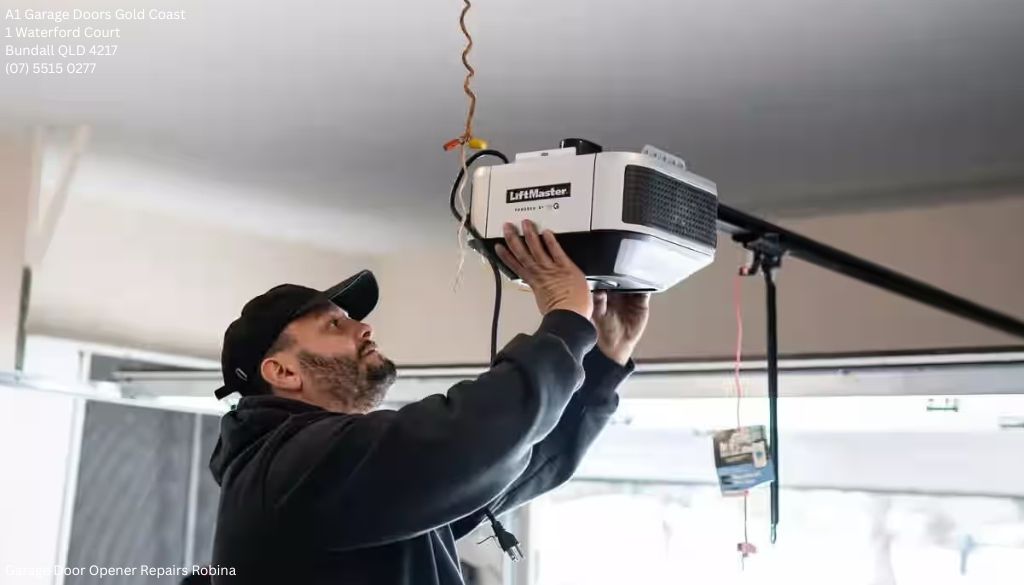
The automatic opener is the heart of your garage door system. Maintain it by checking remote control batteries, keypad entry systems, and wireless controls. Battery backup systems are important for operation during power outages, so ensure they are functional. Inspect the control board for moisture or damage and verify smooth communication between all components.
Checking and Aligning Door Tracks and Rollers
Proper track alignment is crucial for balanced door movement. Inspect tracks for bends or debris and adjust carefully if misaligned. Replace rollers showing signs of wear or cracking to reduce noise and prevent jerky door motions. Cables should be examined for fraying and repaired swiftly to maintain door balance and avoid dangerous failures.
Troubleshooting Common Garage Door Issues Before They Cause Breakdowns
Address small problems early with these practical troubleshooting tips:
- Reduce noise by lubricating rollers and hinges and tightening loose hardware.
- Fix door jams by cleaning tracks and realigning rollers.
- Correct sensor misalignment by adjusting photo eyes until indicator lights show proper function.
- Perform system resets on automatic openers to clear glitches.
- Use manual operation to test and confirm mechanical components are working correctly.
When to Call a Professional Garage Door Repair Service
While many maintenance tasks can A1 Garage Doors Burleigh Heads be DIY-friendly, some situations require expert attention. Contact professional service providers when dealing with emergency release malfunctions, lock repairs, dent removal, and complex cable or spring replacements. Professionals also offer comprehensive inspection services, upgrade options for modern smart openers, and ensure safety compliance for peace of mind.
Additional Tips to Extend the Life of Your Garage Door
Small efforts can greatly enhance durability:
- Regularly paint or finish doors depending on material—steel, aluminium, or wood—to prevent rust and weather damage.
- Choose eco-friendly lubricants and weather sealing products to protect both your door and the environment.
- Improve garage lighting for safer operation and easier inspections.
- Conduct seasonal garage door maintenance, especially in humid or cold climates, to counteract wear caused by weather extremes.
- Consider security upgrades such as improved locks or integrated smart sensors to protect your home.
Frequently Asked Questions
How often should I schedule garage door maintenance to avoid breakdowns?
It’s recommended to perform garage door maintenance at least twice a year, ideally in spring and autumn. More frequent inspections may be necessary in harsh climates or high-usage scenarios.
What are the signs that my garage door springs need replacing?
Look for visible gaps in torsion springs, excessive rust, difficulty in door lifting, or loud noises during operation. Any imbalance or door sagging also signals spring issues requiring immediate attention.
Can I lubricate the garage door myself, and what products should I use?
Yes, you can lubricate moving parts using silicone-based or lithium grease lubricants specifically formulated for garage doors. Avoid heavy oils or WD-40 as they attract dirt and may damage components.
What should I do if my garage door won’t open during a power outage?
Use the manual override or emergency release cord to operate the door manually. If your opener has a battery backup, ensure it is charged and functional to maintain power during outages.
How long does a typical garage door opener last before needing repair?
The average lifespan of a garage door opener is about 10 to 15 years, depending on usage and maintenance. Signs of wear or frequent malfunctions suggest it may be time for repair or replacement.
Are there ways to make my garage door quieter during operation?
Yes, regular lubrication of rollers, hinges, and tracks combined with replacing old metal rollers with nylon ones will reduce noise levels significantly.
What safety checks should I perform regularly on automatic garage doors?
Test safety sensors and photo eyes monthly to ensure they stop the door’s movement when obstacles are detected. Inspect springs, cables, and emergency releases for wear and proper function.
When is garage door panel replacement necessary versus repair?
Panels should be replaced if they are severely dented, cracked, or warped beyond repair. Minor dents or scratches can usually be repaired with filling and painting.
How do weather conditions affect my garage door’s performance?
Extreme temperatures, humidity, and moisture cause expansion, contraction, rust, and deterioration of seals. It’s vital to adapt maintenance routines seasonally to protect your door.
Is it safe to perform cable or spring repair without professional help?
No, cables and springs are under extreme tension and can cause serious injury if handled improperly. Always hire certified technicians for these repairs.
In conclusion, proactive garage door repair and maintenance are keys to preventing costly breakdowns and ensuring your door operates safely and efficiently. By following a structured maintenance schedule, inspecting components regularly, and recognising when professional help is needed, you can enjoy hassle-free garage access and enhanced home security. Don’t wait for a breakdown — start implementing these expert tips today and keep your garage door running smoothly for years to come.